SNAPSHOT OF FIELDWORK
An ethnographic exploration of a Charity Shop in Camden which puts sustainability in conversation with ideas of necessity, reciprocity, and community.
This rich ethnography unpacks the profound link between the folk music revival and queerness, with a specific look at their intersecting capacity to develop a reflexive tradition and craft radical temporalities
Major auction houses located in London's West End promote themselves as "open to all". However, in my extensive fieldwork in the auction houses, I discovered how the presence of ambivalent boundaries works to exclude undesirable visitors and create value in the contemporary art world.
Being black at the LSE is filled up with daily experiences of systemic racism and ambivalence. However, there are ways to cope with this and to find community in a place where feeling part of the university community can be very difficult. Looking at the black male experience in team sports, Oliver sheds light on its nuances and its intersections with gender, class and ethnicity.
An article by Jingye Tang, based on his fieldwork in a workplace in China
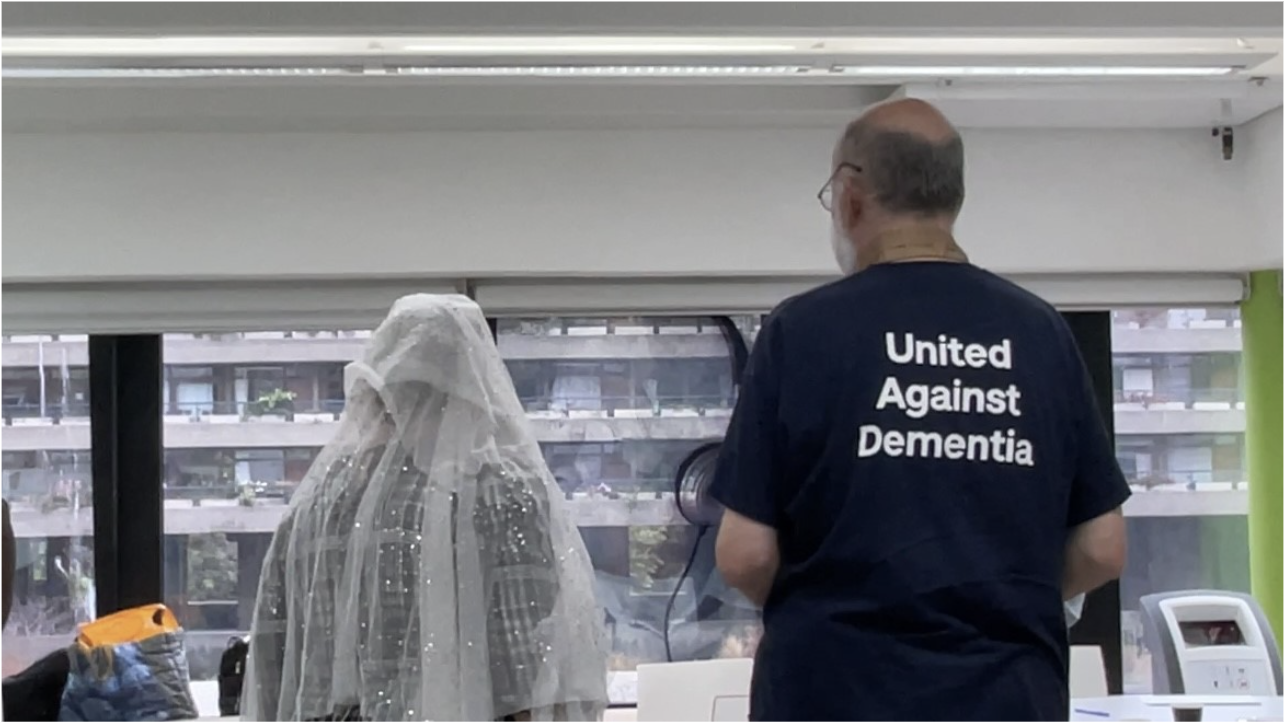
I reflected for the first time on discourses of ‘memory’, ‘recognition’, and ‘personhood’, gradually becoming aware that the correlation between these was in fact artificially constructed and cannot be taken for granted. It was also through close encounters with elderly people with dementia that I saw their vivid but little-known vitality as well as their deep bonds with London and their loved ones.
An article by Carli Jacobsen, based on her work in a vineyard in central Italy
An article by Ishani Milward-Bose, based on visits to a small town in rural India
artS
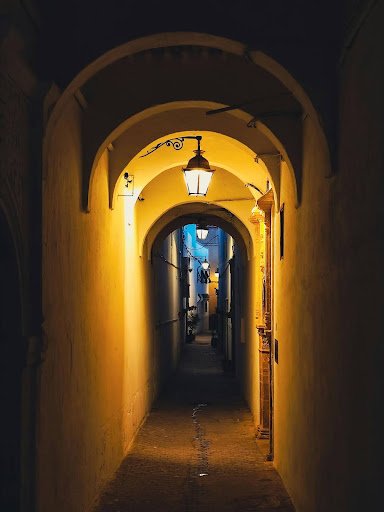
The piece reflects on Morocco’s inherited relationship with the unseen, contrasting colonial rationalism with local cosmologies of fear, ritual, and coexistence. It’s written as a personal essay that moves between anthropology and lived experience—an attempt to explore what remains uncolonized in the Moroccan imagination.
Think greeting cards are just folded bits of paper? Think again! This beloved British tradition carries far more social significance than you might expect. This quick, light-hearted read explores the history of cards as a form of Maussian gift exchange, before delving into their contemporary role in pop-culture and issues of queer representation.
How can the fictional country of Leithanien in Arknights serve as an imagined "West" from an Eastern perspective? Analyzing the narrative of Zwilingtürme im Herbst highlights how cultural imagination, personhood, and gendered interpretations shape perceptions of history, identity, and alterity in digital spaces.
An emotive poem borne of reflections on Palestinian martyrdom while walking through the Glasgow Necropolis
A poem on Christmas in the Anthropocene, from anomalous climate conditions, to the Capitalist condition of Christmas, to the genocide waged on Palestine.
An obituary of Sinead O’Connor, in recent times also known as Shuhada’ Sadaqat. The music of the Irish singer recently passed away has still a lot to tell us, especially at the present moment, about resistance to domination and its abuses.
The realisation that what once felt confusing has now become mundane, habitual. I wrote this poem whilst walking around Soho one day when I forgot my headphones, so I had more of a chance to observe everything on a route I take often.
A reflection on the first retrospective exhibition on the work of photographer Chris Killip and its relationship with Anthropology
Features
The concept of race will never not arouse heated debate in France, where just in July 2018 the National Assembly removed the word itself from the Constitution
Are Asia and Europe that much different, after all? A fresh perspective from Bingxing Liu on the history of Eurasia.
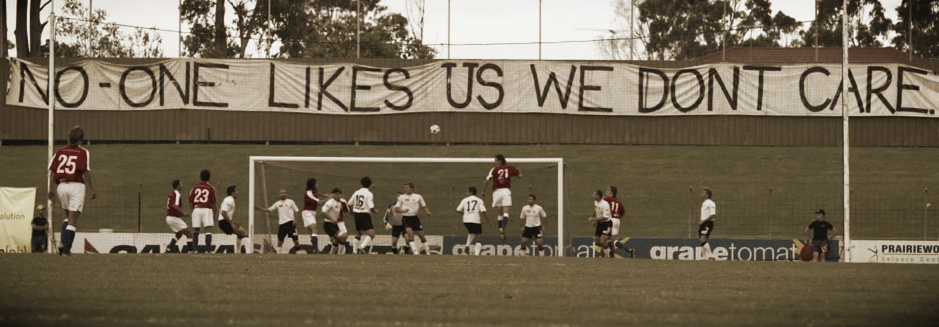
An article by Konrad Stillin on European immigrants in Australia, also known as "wogs", and their collective attempt to establish a community through football.
An article by Harry Compton on the appropriation of 'black' ethnicity by 'white' male adolescents in the UK.
God is dead, and Society- or Cyberspace- replaced his role as the ideological agency of humanity.
An interview with Claire Brewin, a Social Anthropology student and the lead actress of the LSESU Drama Society’s production of Made in Dagenham.
The piece explores how marginalised actors—Taiwanese NGOs navigating diplomatic exclusion, Indigenous women's organizations from across Brazil's biomes, grassroots activists dealing with everything from cartel violence to resource extraction—create alternative spaces of political possibility within (and beyond) global climate governance. Rather than focusing on the formal negotiations, this piece centers on the encounters that happened in the third spaces: conversations under trees, meetings in ancestral houses, moments where those excluded from official power found each other and built solidarities. It engages with political ecology themes around climate justice, Indigenous cosmopolitics, the entanglement of environmental struggle with gender and care work, and the performative dimensions of global climate politics.